Merging world-class academic programs and research facilities, Japanese traditions and customs, and an international community, the Osaka University Campus is truly an experience. The Osaka university has modern learning environments, and is also only a short distance from one of Japan’s busiest cities. It has three main campuses: Suita, Toyonaka and Minoh. Each campus features a unique academic focus and local climate. Students can join classes, do research, or take part in events across multiple locations based on their program. This guide covers the facilities, traditions, student associations, accommodation options, cost estimates and daily life at the university and in Osaka.
1931
Establishment
3+
Campus
Rank #3
In Japan
23000+
Enrolled Students
How Is the Osaka University Campus?
The Osaka University Campus network is split into three main campuses. It is important for international students to know the differences between them, when deciding on accommodation and when planning for commuting.
Suita Campus
The Suita campus is the university’s largest site and its central hub for high-impact research. This campus accommodates advanced laboratories, medical institutions, libraries, and graduate schools. The campus is serene, featuring green spaces and wide walkways. This is an ideal setting for graduate students, researchers and students completing laboratory-based programs.The campus is very large, so the students should know their classrooms, faculty offices, cafeteria and appointments for transport off the campus in advance. Allow yourself more time to acclimate in the first few weeks.
Toyonaka Campus
Toyonaka has a strong connection with undergraduate education. A lot of first and second year students come here to take introductory and general education courses. The campus is equipped with lecture halls, libraries, sports grounds, cafeterias, student activity grounds and club facilities. It is quite busy with a lot of students, particularly during the orientation sessions and the University festivity. The town of Toyonaka is suitable for international students to get to know each other, attend campus events and join in extra-curricular activities.
Minoh Campus
Minoh’s specialties are foreign studies, language programs and international courses. There may be a lengthy portion of the student’s time spent here, if they are interested in linguistics, regional studies, international relations, and cross-cultural communication. The campus promotes communication among all Japanese and foreign students by organizing language exchange programs, academic study programs, workshops, and other student activities.
Academic Facilities and Learning Environment
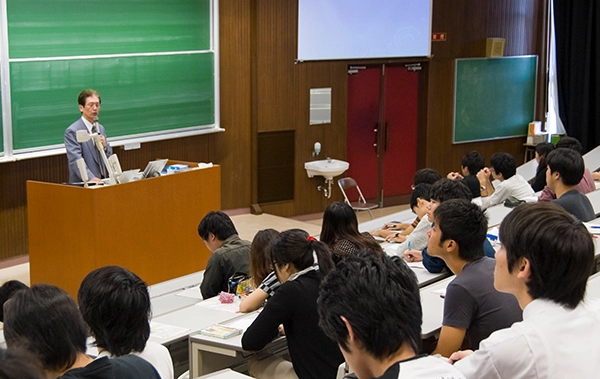
Osaka University offers lecture halls, research laboratories, libraries, co-operative classrooms, and private study rooms for the students to attend lectures, seminars, research projects, lab sessions, presentations and group assignments. Specialist research facilities are available for science, engineering, technology and medical students, and academic collections and learning resources are available for humanities and language students. The academic climate respects and values promptness, preparation, independent study and adherence to the rules of the university. Students from other countries might observe differences in communication and interaction with the faculty and in the classroom. You can get used to the school by going to orientation sessions and seeking advice.
Osaka University Alumni
Osaka University has produced many great scientists, scholars, researchers, medical experts, entrepreneurs and Public personalities. It has produced graduates in technology, health care, academic studies, business and innovation. If students are interested in the study of any person like Dr. Wani, they will have to get information from his/her official biography or from the alumni directory to find out the exact university affiliation. Visiting researchers, faculty members or individuals participating in a short-term program may be mentioned as alumni on some sources. Alumnus can also support you in lectures, networking, career discussions, and mentoring opportunities.
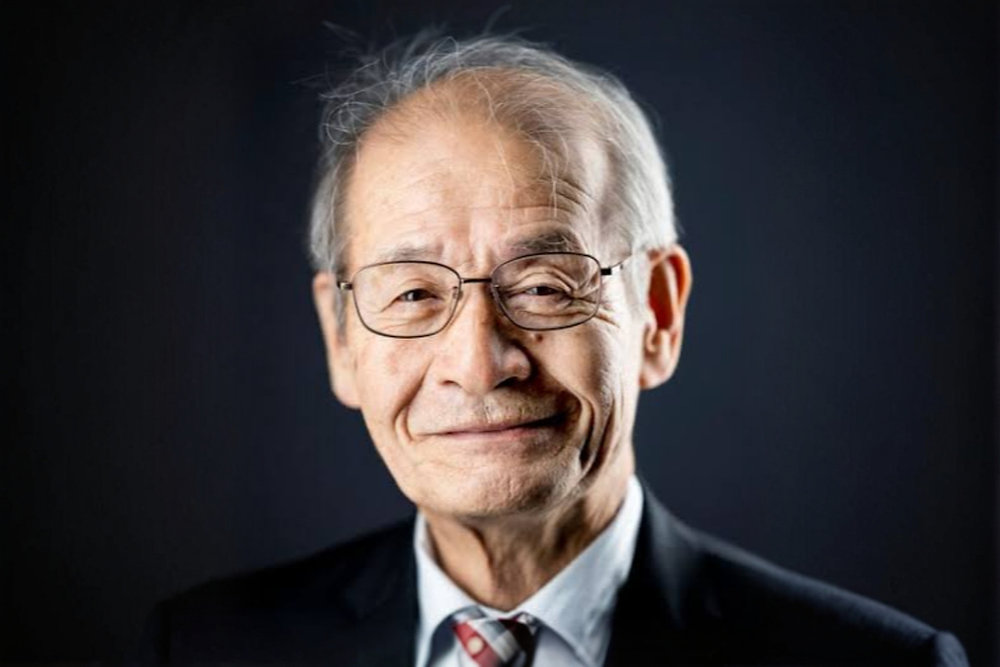
Hideki Yukawa: First Japanese Nobel laureate Akio Morita: Co-founder of Sony Corporation Natsuhiko Kyogoku: Award-winning mystery novelist known for psychological horror. Akira Yoshino: Chemist and Nobel laureate recognized for his crucial role in developing the lithium-ion battery.
Osaka University Campus Events, Traditions & Culture
University life in Japan includes formal ceremonies, seasonal celebrations, festivals, club exhibitions, cultural performances, and sporting activities.
Nyūgakushiki
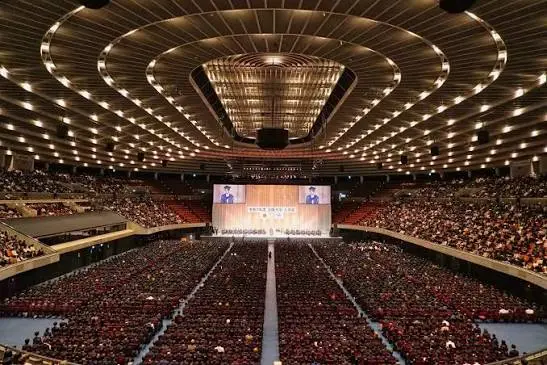
The entrance ceremony, known as Nyūgakushiki and completion of a degree, Sotsugyoshiki celebrates graduation
Ginkgo Festival
The scenery may remind visitors of the jingu gaien ginkgo festival, which is associated with Tokyo’s famous ginkgo avenue.
Osaka-jō Hall
Major concerts and sports events in the city are sometimes held at venues such as osaka-jō hall.
Osaka University Student Life
Life on the Osaka University Campus can be academically demanding and socially rewarding. A typical student schedule may include:
Lectures and seminars
Laboratory or research work
Group projects
Club meetings
Part-time work
Internship applications
Cultural activities
International students can benefit from English-taught courses, exchange programs, orientation sessions, and language-support opportunities. Creating a balanced weekly routine is important. Students should plan enough time for commuting, assignments, meals, exercise, and rest. Joining a student organization can also help newcomers avoid isolation and develop friendships.
Student Clubs and Societies at HEC Paris
Osaka University offers many academic, cultural, professional, and recreational organizations.
Academic Clubs
Cultural Clubs
Sports Clubs
Accommodation and Cost of Living - HEC Paris
On-Campus Housing
University-managed dormitories may provide furnished rooms, shared kitchens, community areas, internet access, and relatively affordable rent.
Living in a residence can help international students adjust more quickly because they are surrounded by other students. However, spaces may be limited, and some residences have fixed application periods or maximum stay durations.
Off-Campus Accommodation
Private apartments provide greater independence and a wider choice of neighbourhoods.
Students should consider more than monthly rent. Initial costs may include deposits, agency fees, insurance, utility charges, and furniture. Commuting time, access to supermarkets, nearby stations, and transport connections are also important.
Choosing accommodation close to the relevant campus can reduce both travel costs and daily stress.
Estimated Cost of Living
Living expenses depend on accommodation, lifestyle, and location. A general annual estimate is:
Food
JPY 400,000 - 600,000
Transport
JPY 150,000 - 250,000
Personal expenses
JPY 200,000 - 400,000
Accommodation: JPY 500,000–900,000
Food: JPY 400,000–600,000
Transportation: JPY 150,000–250,000
Personal expenses: JPY 200,000–400,000
The estimated total is approximately JPY 1,100,000–1,900,000 per year. These figures are indicative planning levels. Eating at home, using second hand equipment and working close to public transport will save money.Save for emergencies such as medical care, sudden travel, tech repairs and currency fluctuations.
Transportation Between Osaka University Campuses
Students can take trains, monorail services, buses, bicycles, or available transport options. When you’re looking to move into an apartment, you need to make sure you’re not just checking the distance from the closest station to the campus itself, but the complete journey from the apartment to the campus. An affordable apartment could end up being an inconvenient choice if you have to transfer several times. Rechargeable transport cards and student commuter passes can make regular travel easier. New students should leave extra time during their first few journeys.
UniRely: Your Partner for Osaka University Admissions
The application process for Osaka University is a complex process that involves choosing the right university, preparing the application, selecting documents, applying for scholarships, meeting deadlines, interviewing, applying for a visa, and planning for accommodation.
UniRely can assist the students in various aspects of their personal profile evaluation, programme shortlisting, internship identification, CV review, statement guidance, recommendation planning, scholarship research, interviews preparation, deadline management and visa support. Its digital tools can help students evaluate their profiles, organize university choices, monitor deadlines, track application progress, and manage important documents. Additionally, UniRely will provide students a mentor who can offer real life knowledge and advice on academics, accommodation, cultural adjustment and Osaka university life.
Conclusion
The Osaka University campus experience provides a good balance between academics, research, cultural enrichment, and urban living for international students. Suita offers an advanced research environment, Toyonaka an active undergraduate community and Minoh language learning and international exchange. University life is about much more than lectures; there are formal ceremonies, scenes of autumn, student clubs, places to stay and places to explore. By carefully planning their studies and with the assistance of UniRely, students can approach their studies in Osaka with greater confidence.
Frequently Asked Questions
Which Osaka University campus is best for international students?
Osaka University has three main campuses – Suita, Toyonaka, and Minoh. The best campus depends on your program, but all campuses provide facilities and services designed to support international students.
Is Osaka an affordable city for international students?
Compared to Tokyo, Osaka is generally more affordable. Students can save money by staying in university dormitories, using public transportation, and shopping at local supermarkets.
Does Osaka University provide accommodation for international students?
Yes. Osaka University offers several international student dormitories as well as guidance for finding private accommodation near campus.
Can international students join clubs and societies at Osaka University?
Yes. International students are encouraged to participate in clubs and student organizations to improve their Japanese language skills, build friendships, and experience campus life.
What traditions make Osaka University campus life unique?
Students enjoy orientation programs, seasonal festivals, club recruitment events, cultural celebrations, and exchange activities that introduce international students to Japanese traditions.
Planning you Osaka University Journey?
Get expert advice on applications, scholarships, and campus life from our alumni consultants.