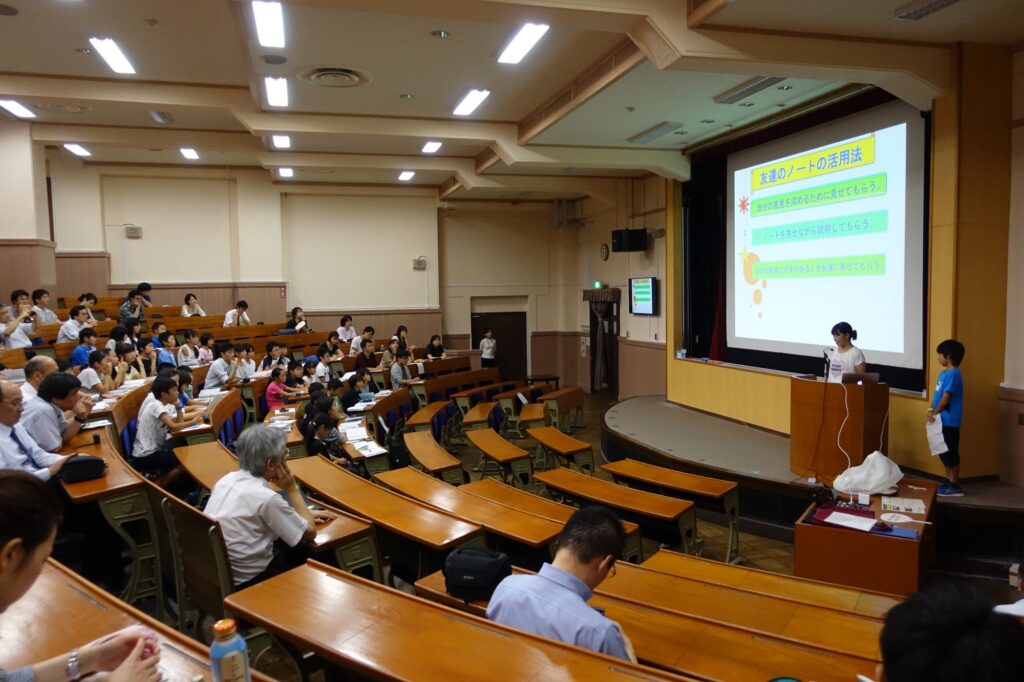
Making the decision to study in Japan is a great one, but it is important for those interested to have a basic understanding of university life in Japan. The University of Tokyo Campus experience is historic architecture combined with advanced research, Japanese tradition and interaction with students from all over the world. The University of Tokyo, also known as UTokyo or Todai, has three main campuses: Hongo, Komaba and Kashiwa. Each serves a different academic purpose, has a different surrounding neighbourhood and atmosphere. Campus life is more than lectures for those who are international students. Academic societies, cultural activities, sports, exchange events, festivals and research activities are open to students. They are also influenced by housing, transportation, language skills and the cost of living in Tokyo. This guide describes the international students’ experience in this campus, academic environment, life of the students, clubs, accommodation, festivals and city lifestyle at this campus.
1877
Foundation
3
Different Campuses
20+
Nobel Prize Winners
28000+
Students
How Is the Campus of the University of Tokyo?
The three main campuses combine historic learning spaces, undergraduate education and advanced scientific research.
Hongo Campus
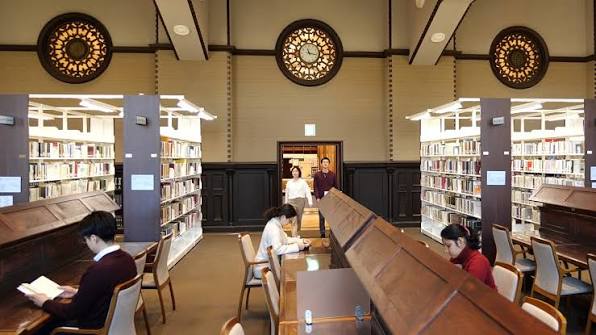
Hongo is the historic centre of UTokyo. It has a mix of old buildings and historic sites, as well as new labs, libraries and research centers. It has several well known landmarks, including Yasuda Auditorium, whose red-brick facade is a symbol of the university. There are also tree-lined paths, museums, and a number of buildings housing several faculties and graduate schools in the campus. Hongo suits those students who wish to enjoy a historical atmosphere at a university yet be located in the heart of Tokyo. Public transportation and restaurants/shops are available in the surrounding area Bunkyo.Students have access to large libraries and research centers, international-support offices, cafes, and cultural activities. The campus is a combination of the UTokyo’s past and present learning and research.
Komaba Campus
Komaba is especially important for undergraduate education. Many first- and second-year students complete the junior division there before moving into specialised faculties. This shared early-stage experience creates an active academic and social environment. Students from different disciplines study together before entering more specialised fields. The campus includes lecture rooms, libraries, athletic facilities, common areas, cafeterias and international-support services. Komaba also promotes international engagement through activities that connect Japanese and overseas students. The surrounding area is relatively calm but remains close to Shibuya, giving students convenient access to shopping, entertainment and transport.
Kashiwa Campus
The latest principal campus is Kashiwa, and it has a strong connection with cutting-edge and interdisciplinary research. It is situated in Chiba Prefecture, just outside of central Tokyo. It contains a range of facilities for environmental studies, biosciences, computation, advanced materials, physics, astronomy and ocean science and sustainability. Kashiwa provides a large research setting, but students should take the commute time into account. The “campus” should not be confused with the University of Tokyo Atacama Observatory that’s in Chile. It is not located in Kashiwa, but UTokyo researchers work there.
University of Tokyo Alumni and Professional Networks
UTokyo has educated researchers, writers, public officials, business leaders and Japanese prime ministers. It has also produced Nobel Prize winners and professionals in the areas of science, policy and industry. The alumni network can be utilized for information about industries, research opportunities, and careers. International students should network professionally: attend events, ask well informed questions, and engage in long term networking. Academic achievement, experience, language proficiency and professional preparation are still relevant for career outcomes.
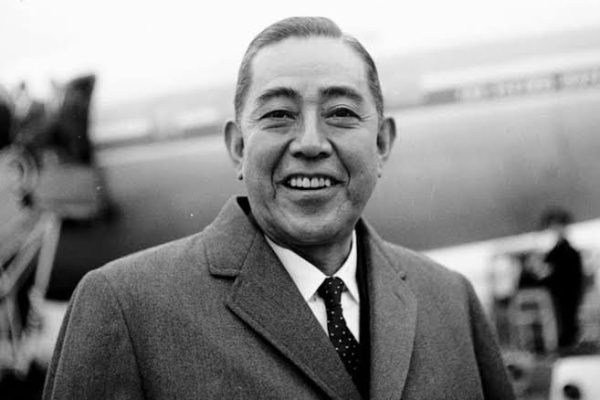
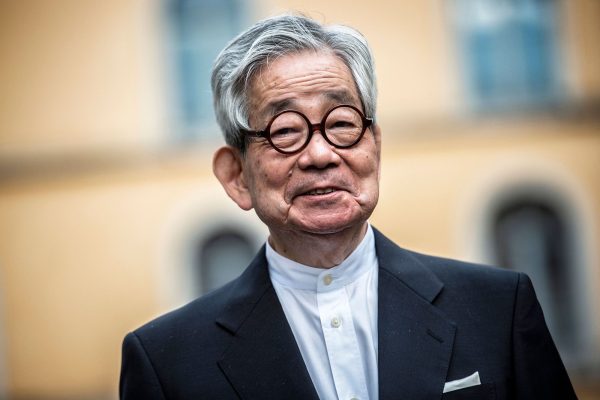
Eisaku Satō – Prime Minister and Nobel Peace Prize laureate. Kenzaburō Ōe – Nobel Prize-winning novelist Toyoda Akio – Current Chairman and CEO of Toyota Motors Fumio Kishida – The recent Prime Minister of Japan
UTOKYO Traditions, Culture and Campus Events
Student-led festivals are an important part of Japanese university culture. They allow students to present research, operate food stalls, perform and welcome visitors.
May Festival
It is Gogatsusai or the May Festival is one of the largest student-organized events of UTokyo.
Komaba Festival
The Komaba festival is a celebration of the vibrant student life of Komaba campus.
International Events
International offices & student associations plan sessions, language exchanges, social & cultural events.
UTokyo Student Life on Campus
Life on the University of Tokyo Campus can be academically intense but socially varied. A typical day might include lectures, lunch at a campus cafeteria, group study, a seminar or laboratory meeting, club practice and dinner with friends. Students who participate in clubs and events are more likely to build friendships and understand Japanese culture. Those who attend only classes may find it harder to create a strong social network.
Life in Tokyo
Tokyo blends old-school neighborhoods and local festivals with high-tech business hubs, fast trains, and smart technology. Hongo and Komaba provide convenient access to central Tokyo. Kashiwa offers a quieter research environment but requires more travel. To make your life a lot easier, try to get a travel card, sign up at your local ward office, sort out your health insurance, learn the recycling rules, and pick up some basic Japanese.
Student Clubs and Societies at University of Tokyo
Academic Clubs
Cultural Clubs
Adventure Society
Student Volunteer
RoboTech Club
Kyudo Club
Accommodation and Cost of Living - HEC Paris
Students can apply for a university operated residence or privately rent a residence.
University Accommodation
UTokyo has residences located in places such as Mejirodai, Oiwake, Komaba and Kashiwa.Facilities can consist of furnished rooms, shared kitchens, common areas, internet access and resident support. University housing can make the transition to Japan easier, but places are limited. Admission to UTokyo does not guarantee accommodation.
Private Accommodation
Students can rent studios, shared houses or private apartments with additional facilities. However, this might require deposits, agency fees and guarantor requirements as well as Japanese language contracts. Student housing is not just about location and rent; it’s about factors like utilities, transportation, length of the lease, and the availability of nearby stores or clinics.
Food
¥15,000 - ¥57,000
Transport
¥8,000 - ¥15,000
Personal expenses
¥15,000 - ¥25,000
Tokyo is expensive. A small one-room apartment may cost approximately JPY 80,000–100,000 per month, depending on location.
UniRely: Your Partner for HEC Paris Business School Admissions
Applying to UTokyo requires accurate programme research and early preparation. UniRely can support students through personalised profile evaluation, programme selection, application review, statement guidance, scholarship planning, interview preparation, deadline management, visa assistance and accommodation research. UniRely can also help students understand which campus is connected to their programme and prepare for transportation, budgeting and daily life.
Conclusion
The University of Tokyo Campus experience offers international students a distinctive combination of academic intensity, history and advanced research. Hongo provides the historic setting, Komaba offers an active undergraduate environment and Kashiwa supports modern interdisciplinary research. In addition to academic activities, students can join festivals, culturalgroups, academic societies, sport clubs and international organizations. Apart from the cultural highlights of living in Tokyo, there are also job opportunities and convenient transportation options. With careful planning and UniRely’s guidance, you can fully prepare for an incredible academic and cultural journey at UTokyo.
Frequently Asked Questions
What is campus life like at the University of Tokyo?
The University of Tokyo offers a balance of rigorous academics and vibrant student life. Students participate in research, cultural events, sports, and hundreds of student organizations across its campuses.
Is it expensive to live while studying at the University of Tokyo?
Living costs depend on your lifestyle, but most international students should budget for accommodation, food, transportation, and personal expenses in addition to tuition. University housing can help reduce costs.
What are "circles" at the University of Tokyo?
“Circles” are student-run clubs that focus on sports, music, culture, technology, volunteering, photography, gaming, and many other interests. They are one of the best ways to experience student life.
What traditions are unique to the University of Tokyo?
The university celebrates traditions such as Circle Orientation, Shinkan (new member recruitment), seasonal festivals, and campus events that welcome new students every academic year.
What facilities are available on the University of Tokyo campus?
Students have access to libraries, research laboratories, sports complexes, cafeterias, student lounges, medical services, and modern learning spaces.
Planning you University of Tokyo Journey?
Get expert advice on applications, scholarships, and campus life from our alumni consultants.